
 Powered by Bioz
Grip Strength Meter
The Grip Strength Meter assesses neuromuscular function using efficiently designed pull bar assemblies.


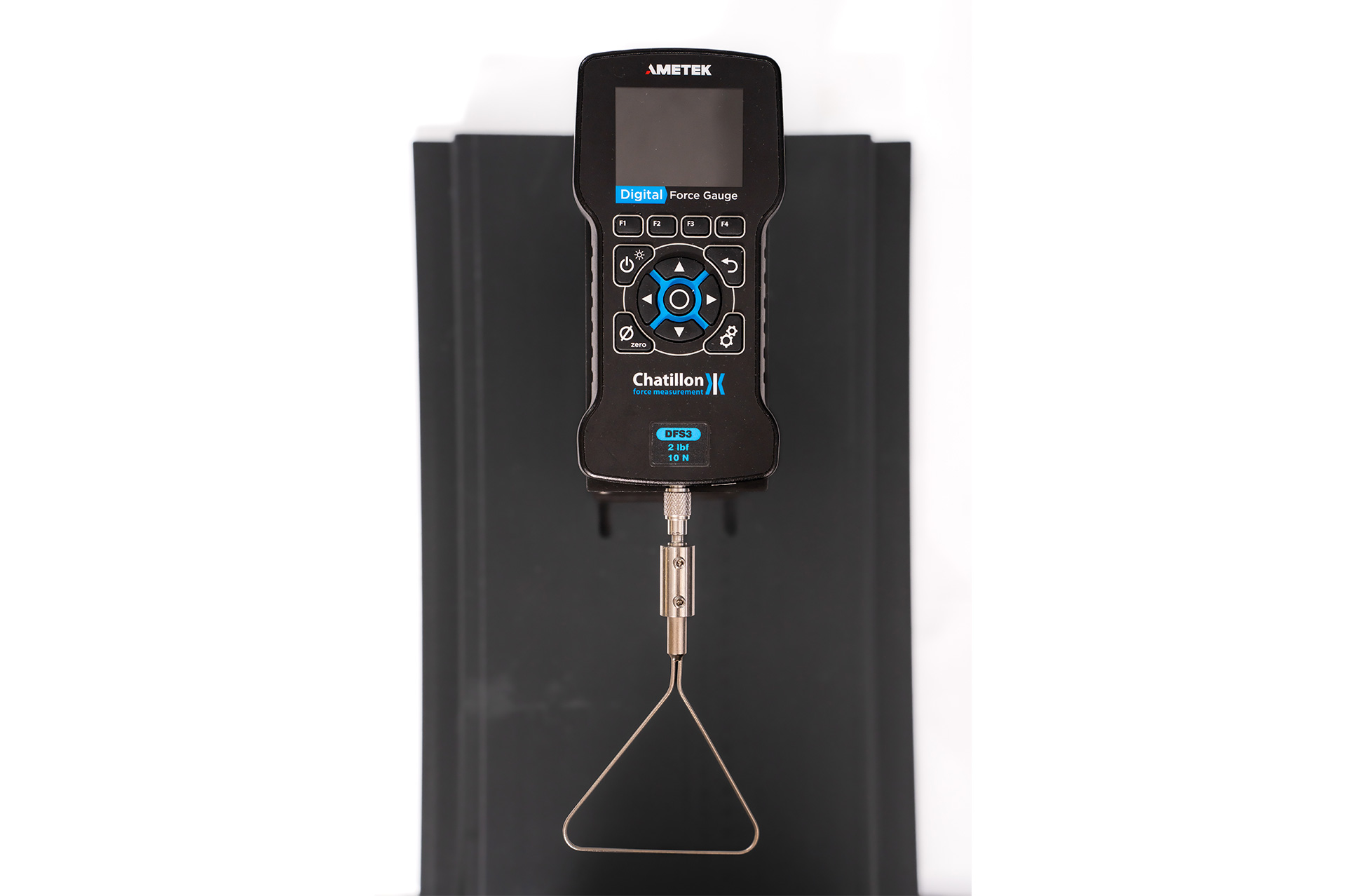
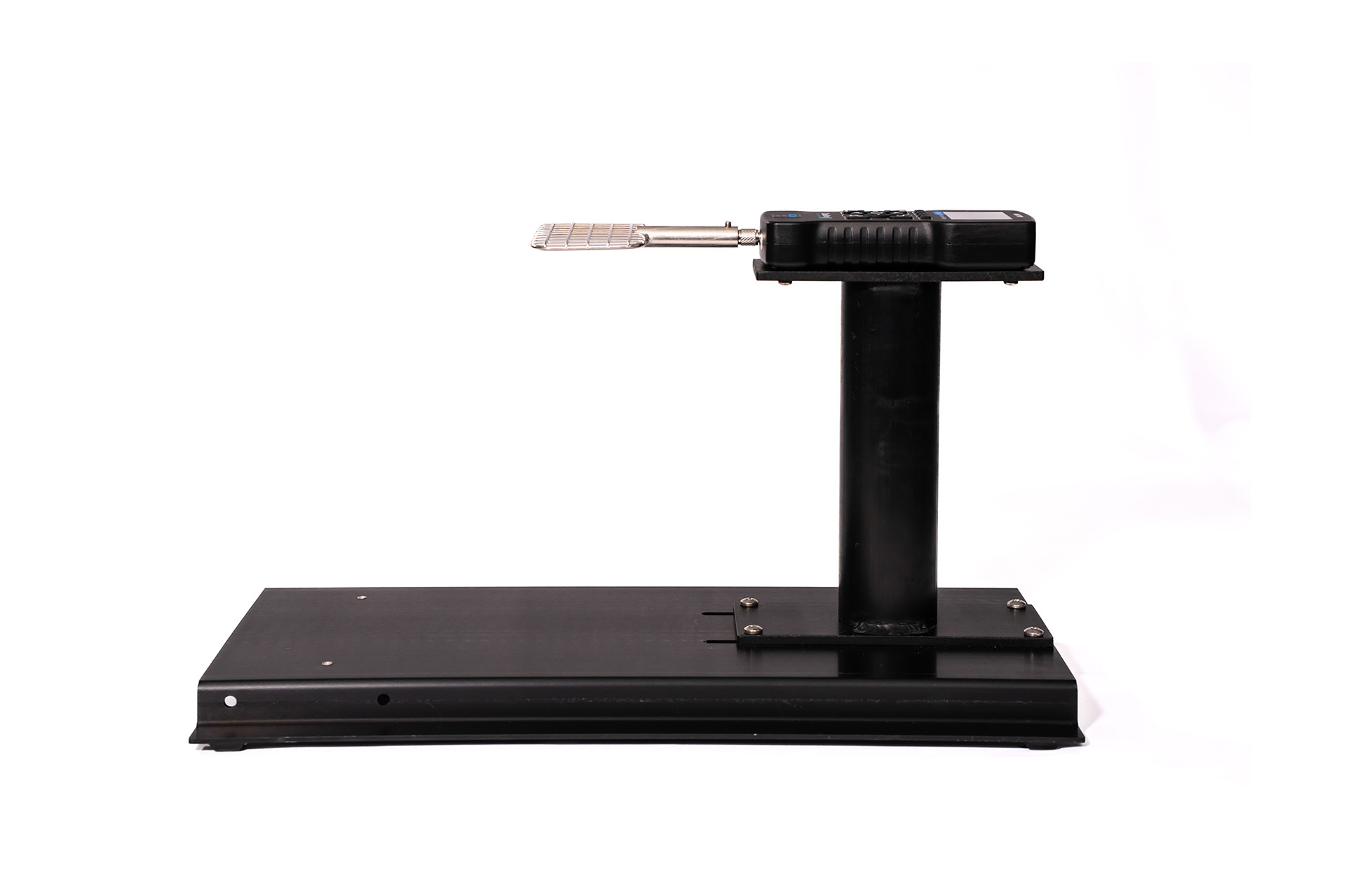
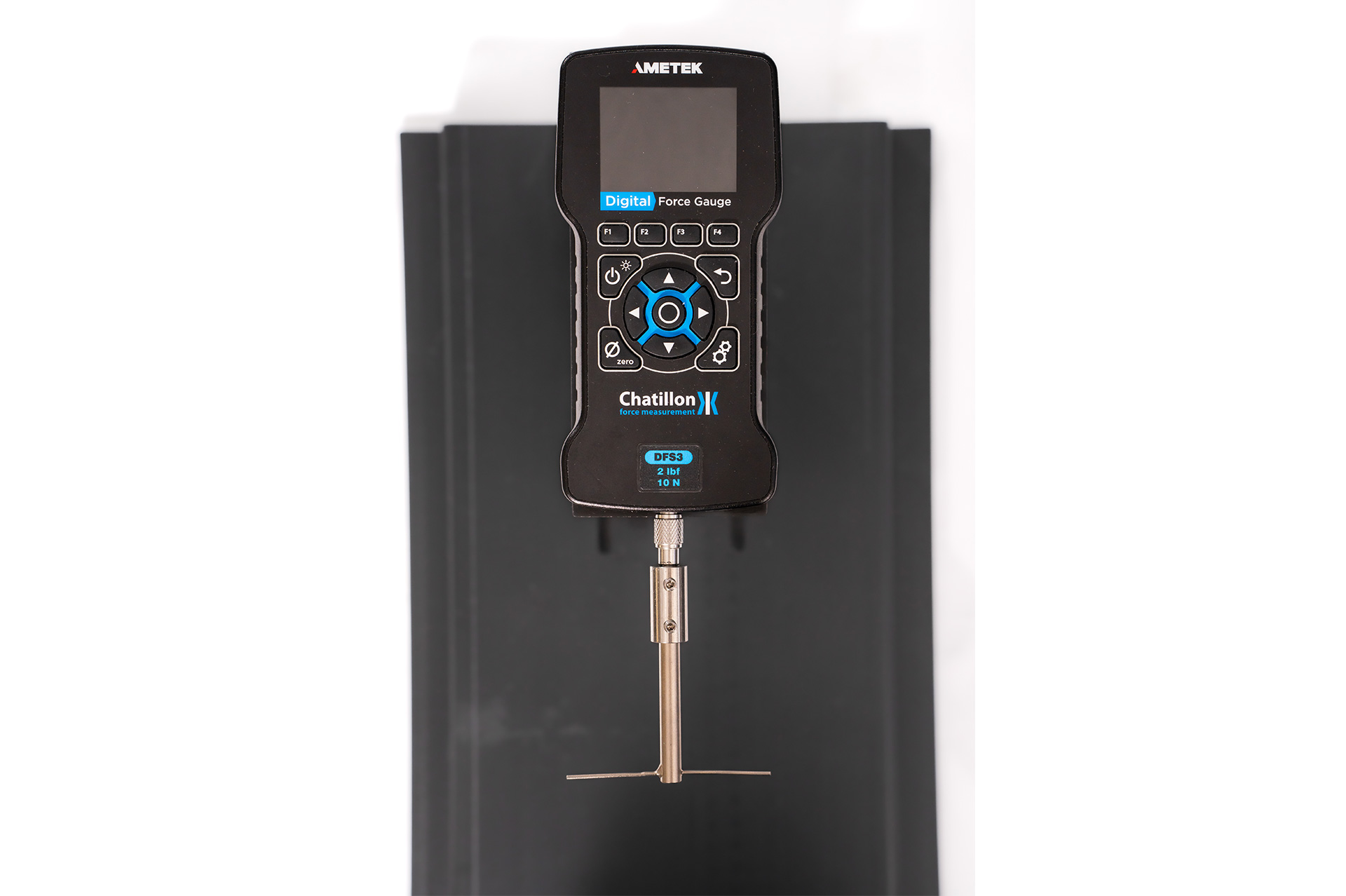
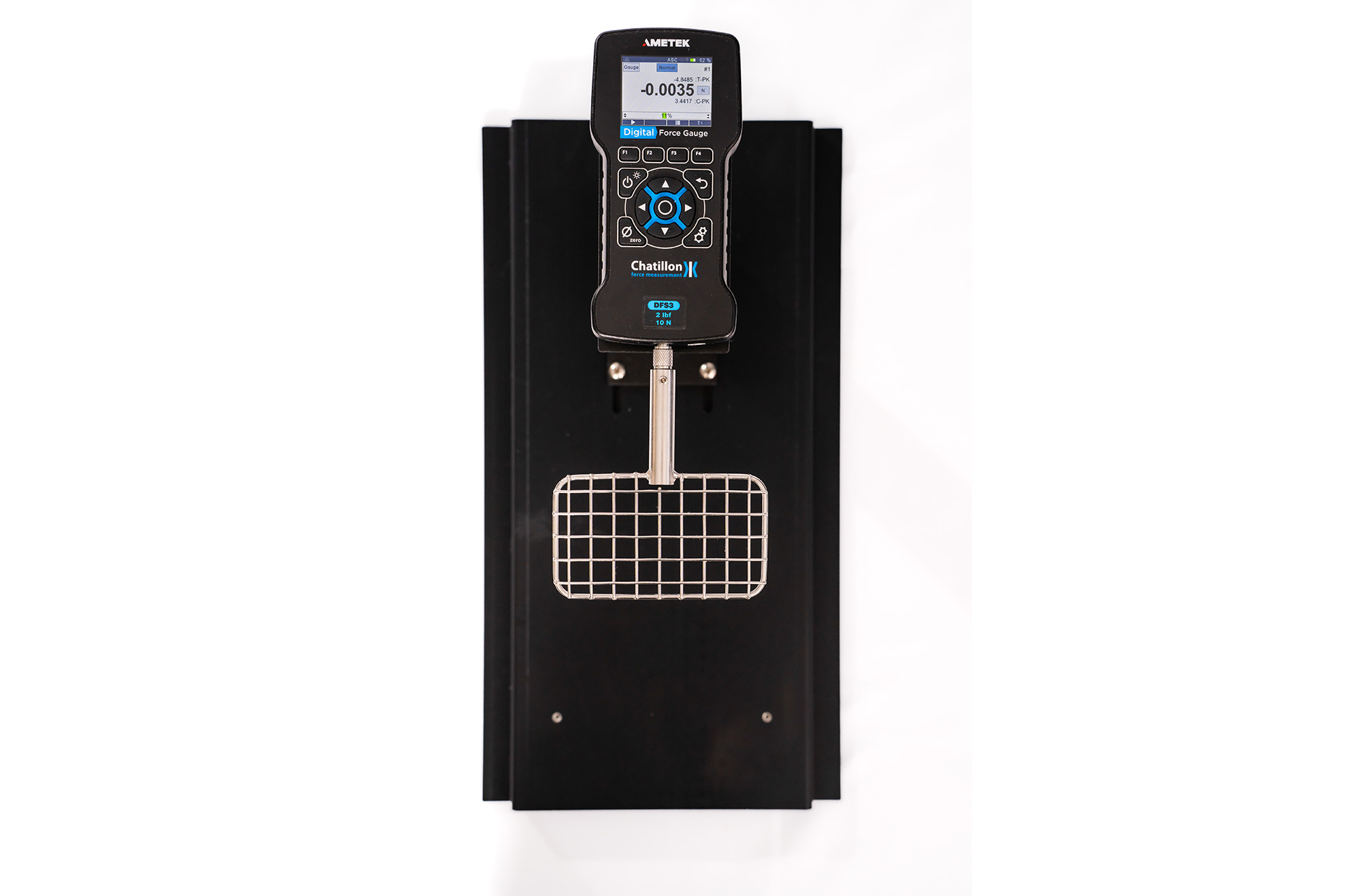
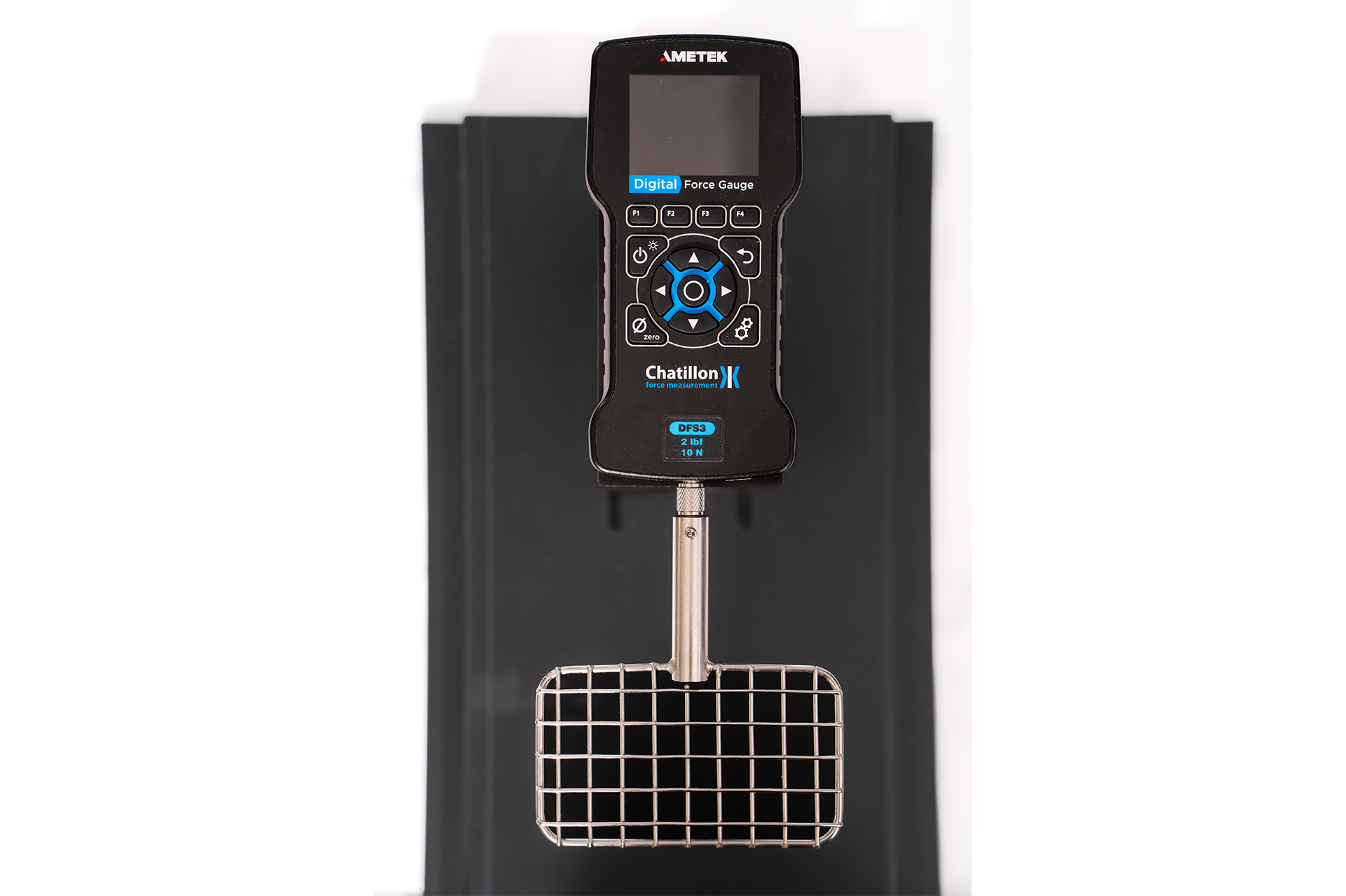
Our Grip Strength Meters are advanced tools for evaluating neuromuscular function. They measure the peak force exerted while grasping specialized pull bar assemblies, providing essential data for assessing strength and recovery. You can use these meters in either a single-strand configuration, where pull bars are interchangeable, or a dual-stand configuration with two meters, allowing for the rapid succession of limb measurements.
Applications

ALS

Arthritis

Autism

Cachexia

Muscular Dystrophy

Neurosciences

Osteoporosis

Parkinson's Disease

Regenerative Medicine

Rett Syndrome

Sarcopenia
Features / Specifications
- Sensor Range(s): 0 to 1 Kg (Mice) &0 to 5 Kg (Rats)
- Accuracy: 0.25% of full scale
- Base Dimensions: 41” L x 11” W x 11” H(104 cm x 28 cm x 28 cm) [Dual Stand Model]
- Base Dimensions: 20.5” L x 11” W x 11”H (52 cm x 28 cm x 28 cm) [Single Stand Model]
- Sensor Height: 11” (28 cm) [All Models]
Specially Designed Pull Bar Assemblies
Columbus Instruments' Grip Strength Meters come with standard pull bars for both fore and hind limbs, tailored to accommodate varying paw sizes and ensure accurate measurements. The fore limb uses a “T” shaped bar, while the hind limb utilizes a triangular “trapeze” bar. For specialized needs, optional Mesh Pull Bars are available, offering a thinner diameter with reinforced mesh for added strength and durability. These mesh bars are designed with a flat horizontal bar for fore limbs and an angled bar for hind limbs to match the animal's natural orientation. All pull bars are easily interchangeable, ensuring seamless integration with the GSM for efficient and precise research.

Boost Research Efficiency with Optional Dual Stand Mode
For researchers requiring rapid succession measurements of both fore and hind limb forces, the optional Dual Stand Mode provides an ideal solution. This configuration mounts two Grip Strength Meters on a single pedestal, eliminating the need for frequent bar interchange and streamlining the measurement process. Enhance research efficiency and accuracy with this advanced setup, designed for seamless, simultaneous assessments.

Efficient Data Management with Intuitive Software
The Grip Strength Meter offers full control through its intuitive on-screen LCD display in standalone mode. For enhanced data recording, an advanced software package offers streamlined setup and management of multiple experimental protocols. Effortlessly export data as CSV files for efficient analysis, making research processes simpler and more effective.
Our Grip Strength Meters are advanced tools for evaluating neuromuscular function. They measure the peak force exerted while grasping specialized pull bar assemblies, providing essential data for assessing strength and recovery. You can use these meters in either a single-strand configuration, where pull bars are interchangeable, or a dual-stand configuration with two meters, allowing for the rapid succession of limb measurements.
Applications
This state-of-the-art system integrates unique features for open circuit calorimetry and detailed subject analysis, providing a one-stop solution for simultaneous multi-parameter assessment of multiple test subjects. We build these systems semi-custom, so you can tailor your Oxymax-CLAMS system to include parameters specific to your research needs. The system is fully expandable, allowing for additional chambers and features for the evolving demands of your research. The included software, CI-Link, offers an intuitive interface for collecting and managing all experimental data. You can export the data quickly for analysis or publication. Researchers can view data graphically in real time without interrupting the experiment.

Anorexia
Autism
Cachexia

Cardiovascular

Diabetes

Fatty Liver Disease

Microbiome
Neurosciences

Nutrition

Obesity
Rett Syndrome

Sleep Research

Urologic Diseases
Features and Benefits
%20(1).avif)
Precision-Driven Calorimetry
The Universal Oxymax Indirect Calorimetry system delivers precise O2 and CO2 measurements in sealed metabolic cages with unmatched accuracy. Its modular design suits both large and small setups, while its fully automated, turnkey system ensures easy maintenance. With adjustable airflow from 0.5 to 3 liters/minute, Oxymax provides optimal resolution or certainty as needed. It captures O2 and CO2 data at 10Hz, offering high-resolution measurements to filter noise and achieve ultra-fast cage response times.
Oxymax supports 3 oxygen sensor types to cover all possible applications. A non-dispersive infrared CO2 sensor virtually eliminates drift, reducing recalibration needs.
.avif)
.avif)
%20(1).avif)
Dependable Humidity Control for Consistent Results
Building on a tradition of precise humidity management, Oxymax features a cutting-edge 2-stage sample drying method that effectively eliminates all moisture from air samples. This advanced approach ensures that only oxygen, carbon dioxide, and nitrogen are measured, adhering to the best practices for indirect calorimetry in research and preventing humidity from skewing recorded oxygen values.
Rapidly removing humidity can pose a significant engineering challenge. While humidity correction—measuring and back-calculating humidity—may seem like a simpler alternative, it relies on stable temperatures and often fails during rapid fluctuations. In experiments with manipulated ambient temperatures, the humidity correction technique lacks proper temperature compensation to accurately track VO2, leading to questionable RERs. Oxymax’s precision-engineered drying method is the best on the market that ensures accurate oxygen tracking regardless of temperature changes, delivering reliable O2/CO2 measurements while matching or exceeding the temporal resolution and data density of humidity corrected systems.
.avif)

State-of-the-art Metabolic Cage Innovation
Experience the future of metabolic research with CLAMS-CN, a groundbreaking system that streamlines setup by eliminating tubes and wires. Its innovative design removes the risk of common setup errors, saving valuable time and effort, while simplifying the entire process for a faster, more efficient workflow. No more double-checking cables —just fast, efficient results.
The Connect Cage also offers the highest level of flexibility, with autoclaveable parts, in-cage measurements of temperature, humidity, pressure, and sound levels, and electronics safe for vapor sterilization (H2O2 or EthO). Its P3 biocontainment rating configuration makes it perfect for virology or gnotobiotic research, and it is suitable for hypoxia studies down to 10% oxygen. Elevate your research with precision and convenience, all in one innovative solution.
Innovative Energy Expenditure Analysis: Clambake
Traditional research often stops at measuring overall energy expenditure, but Clambake advances this approach. Developed by the Brestoff Lab at Washington University in St. Louis, this cutting-edge algorithm categorizes energy expenditure into four key components: Basal Metabolic Rate (BMR), Thermic Effect of Food (TEF), Activity-Induced Energy Expenditure, and Adaptive Thermogenesis. By analyzing data from Oxymax-CLAMS, Clambake provides advanced insights into metabolic rates, deepening the understanding of fundamental energy metabolism processes.

Temperature and Light Control Solution
Designed for optimal space efficiency, our environmental control cabinet minimizes laboratory footprint while offering scalable sizes to fit your research needs. It provides precise temperature control ranging from 4°C – 35°C (with higher temperatures available upon request), ideal for studies involving temperature fluctuations. The cabinet features programmable LED strips for customizable light control, including color, intensity, and timing, and supports various day/night cycles and non-24-hour clocks to suit diverse experimental requirements.
.avif)


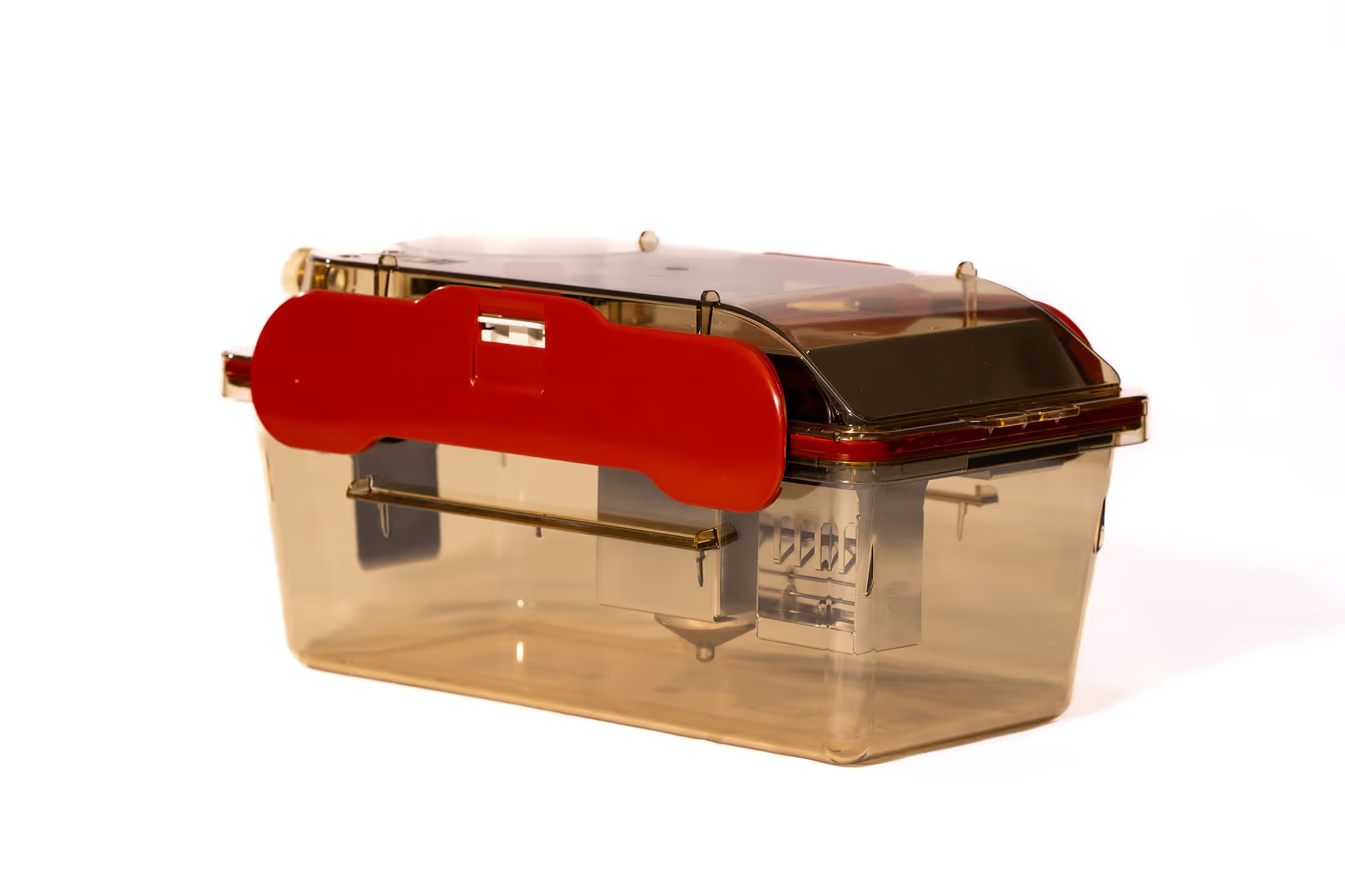
Gas Sensing & Resolution
Built on high-resolution respiratory technology, offering the following sensor specifications:
- Data Acquisition Rate: Captures O2 and CO2 data at 10Hz for ultra-fast response times.
- Oxygen (O2) Sensors: Three options are available:
- Zirconia: Fastest scan rate (20 seconds per cage); ideal for high-throughput.
- Paramagnetic: Highest precision and ultra-low maintenance.
- Electrochemical: Budget-friendly option.
- Carbon Dioxide (CO2) Sensor: Non-dispersive infrared (NDIR) with 0-0.9% range and virtually zero drift.
- Standard Ranges: CO2 (0% – 0.9%); O2 (19.3% – 21.5%). Optional expanded ranges (0-100%) and additional sensors (CH4, H2, 13CO2) are available.
- Sample Drying: Integrated drying from 30°C down to 4°C to prevent humidity-related data skew.
Behavioral & Activity Monitoring
The cage monitoring system tracks animal behavior via integrated infrared beams:
- Sensing Axes: 3-dimensional tracking (X, Y, Z).
- Beam Spacing: Available in 0.5" (1.27 cm) or 1" (2.54 cm) intervals.
- Scan Rate: 160 Hz for high-resolution locomotor data.
- Mass Resolution: High-precision scales detect feeding/drinking events down to 1 mg.
Integrated Telemetry (G2 Emitters)
The CLAMS-Connect features a specialized floor-antenna system for battery-less monitoring:
- Sensors: Core body temperature and heart rate.
- Technology: Wireless, battery-less implants (1.1g to 1.5g) powered by a custom antenna located <2mm beneath the cage floor.
- Warranty/Lifespan: 2-year warranty with no battery replacement required.
Hardware Design & Physical Dimensions
The metabolic cage housing system is designed for high-density lab environments:
- Architecture: Wire and Tube-Free design for increased mobility and reduced human error during setup.
- Cage Density: Compact footprint allows 25% more cages per rack or incubator than legacy models.
- Environmental Monitoring: Every individual cage includes integrated sensors for Temperature, Humidity, and Pressure.
- Biocontainment: Rated for P3 (Biosafety Level 3), making it suitable for infectious disease research.
- Dimensions (Standard Components):
- Sample Pump & Sensors: 13" x 11.5" x 12" (33 x 29 x 30 cm); Weight: 20 lbs.
- Controller: 17" x 17" x 7" (43 x 43 x 18 cm); Weight: 40 lbs.
Software & Compliance
- Software Platform: CI-Link
- Features: Real-time data viewing and IICCC-compliant datasets.
- Connectivity: Wireless data transfer from cages to the central receiver.
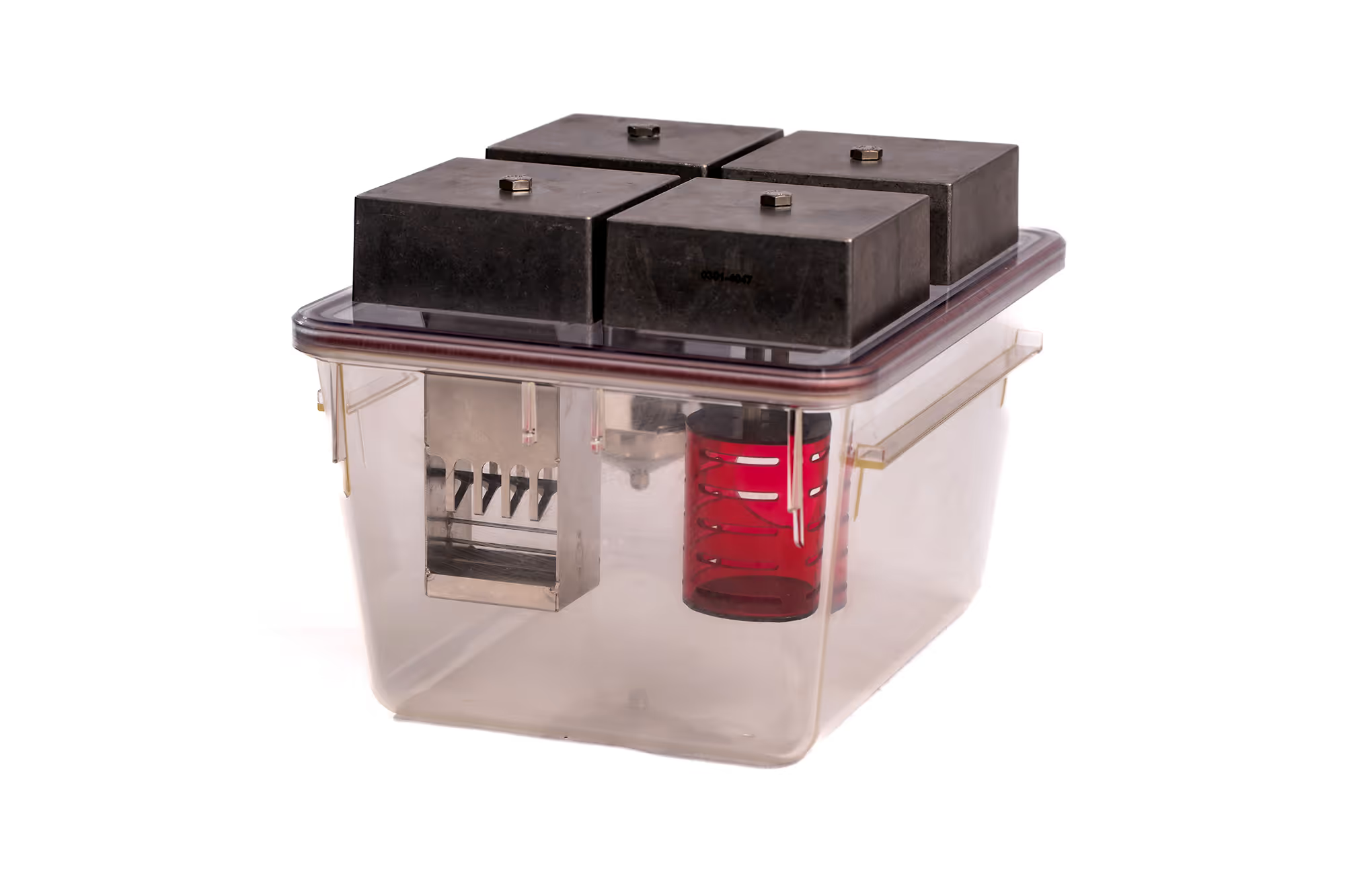
Physical Dimensions & Capacity
The system is adaptable to standard IVC (Individually Ventilated Cage) cage types, ensuring animals remain in a familiar environment.
- Mouse Cage Dimensions (Livable Area): 7" (17.75 cm) diameter; 5.625" (14.25 cm) ceiling height.
- Overall Footprint (with base/stand): 15" W x 11" D x 23" H (38 x 28 x 58.4 cm).
- System Capacity: Expandable from 1 to 32 subjects simultaneously.
- Subject Weight Range: 10g to 70g (standard configuration).
Metabolic Sensing (Indirect Calorimetry)
The core of the rodent calorimetry system is the Oxymax gas analyzer, which supports three oxygen sensor technologies:
Ultra-fast (20s per cage)
High-throughput systems
High precision, ultra-low maintenance
Small-to-medium systems
Budget-friendly, high accuracy
Smaller, continuous sampling
- CO2 Sensing: Uses NDIR (Non-Dispersive Infrared) to eliminate drift.
- Resolution: Up to 0.01 PPM CO2 and 0.003 PPM O2.
- Sample Rate: Internal capture rate of 10 Hz.
- Drift Control: Automated fresh-air reference checks via mass flow control.
Behavioral & Physical Activity
The CLAMS-HomeCage acts as a comprehensive cage monitoring system by tracking movement across all three planes:
- XYZ Beam Spacing: 0.5" (1.27 cm) or 1" (2.54 cm).
- Scan Rate: 160 Hz.
- Activity Types: Distinguishes between Ambulatory (exploring), Fine (grooming), and Rearing (Z-axis).
- Running Wheel (Add-on Feature): Supports free-spinning wheels for spontaneous exercise tracking (limited to mice <35g).
Food & Water Monitoring
- Feeding: Uses an overhead pellet feeder with a spillage catchment.
- Drinking: Options include a mass-based (load cell) or a Volumetric Drinking Monitor (VDM), which uses a dosing pump to measure precise microliters consumed.
- Mass Resolution: 1 mg
- Access Control: Optional servomotor-powered doors to restrict food based on time or mass (Pair/Yoked feeding).
Advanced Integrated Features
- Telemetry: Wireless, battery-less G2 Emitters for core body temperature and heart rate.
- Sample Drying: Integrated drying of gas samples from 30°C down to 4°C to ensure humidity does not skew O2 readings.
- Environmental Control: Often housed in cabinets with programmable light cycles and temperatures from 4°C to 40°C.
- Measurement Resolutions & Precision
- Mass Resolution: 1 mg (for food and water intake).
- CO₂ Resolution: 0.01 PPM.
- O₂ Resolution: 0.003 PPM.
- Food Intake Accuracy: Typically maintained at 99%+ due to the specialized "fur-fluffing" tunnel and spill catchment design.
Physical Cage Dimensions
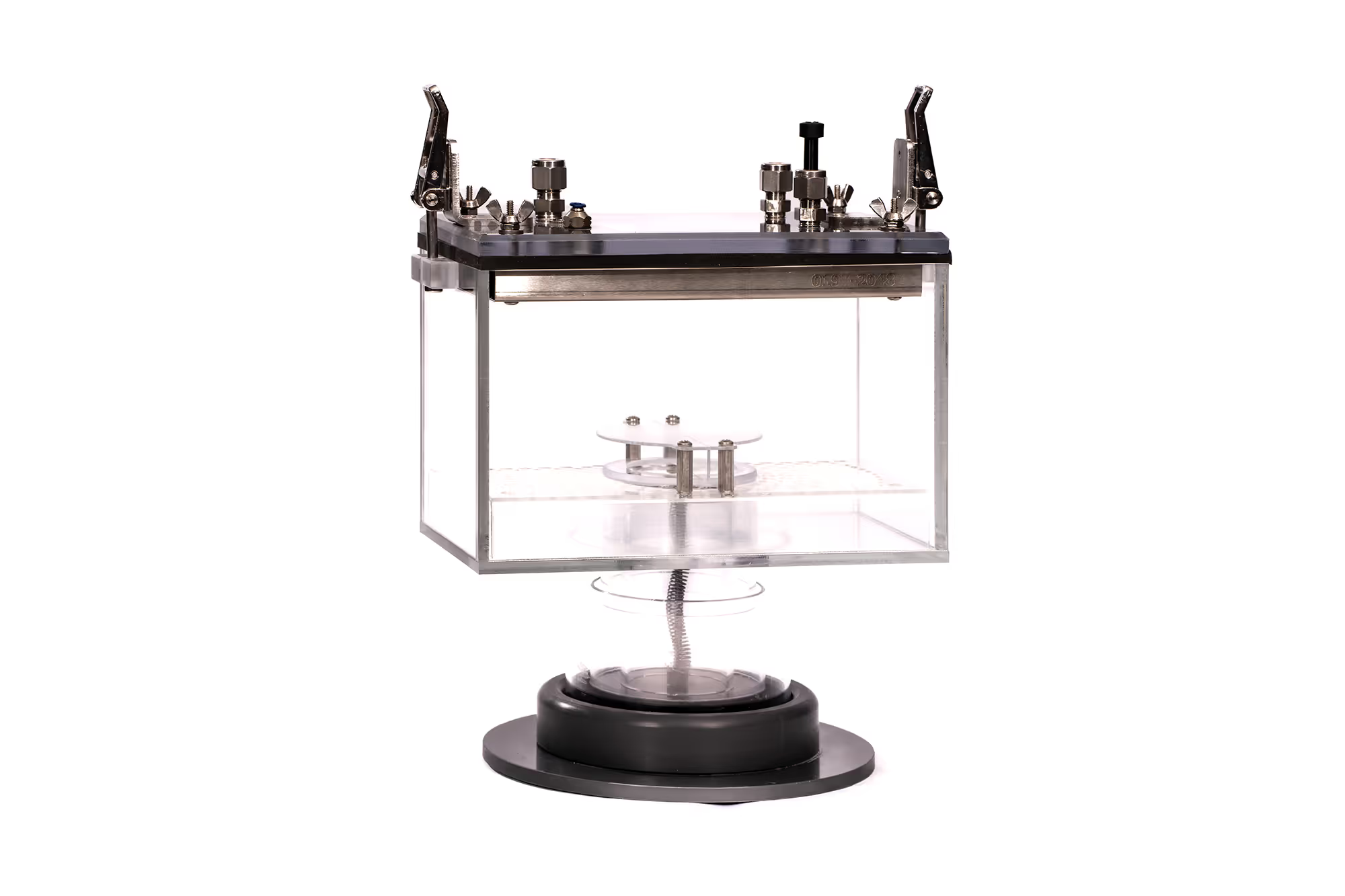
The CLAMS-CenterFeeder model features a unique circular cage design that accommodates the central feeding station.
- Mouse Cage:
- Livable Area: 7.0” (17.75 cm) Diameter x 5.625” (14.25 cm) Height.
- Overall Size (with stand): 15” W x 11” D x 23” H (38 x 28 x 58 cm).
- Rat Cage:
- Livable Area: 8.0” (20.3 cm) Diameter x 5.125” (13.0 cm) Height.
- Overall Size (with stand): 16” W x 11” D x 23” H (41 x 28 x 69 cm).
Gas Sensor Specifications (Oxymax Component)
The CLAMS-CenterFeeder integrates with Columbus Instruments' Oxymax gas analyzers, which offer the following ranges:
- O₂ Sensors: 19-21% or 0-100% (Available in Zirconia, Paramagnetic, or Electrochemical).
- CO₂ Sensors: Ranges from 0-2000 ppm up to 0-100% (non-dispersive infrared).
- Scan Rate: 20 seconds per cage (when equipped with Zirconia sensors).
- Sample Drying: Dependable drying from 30°C down to 4°C to ensure stable gas readings regardless of humidity.
Feeder Assembly & Design Features
- Center Feeder Assembly: A floor-level station that presents food from a spring-loaded plate to keep the diet surface at a constant level.
- Specialized Tunnel: Includes "ribs" that brush the animal’s fur as it exits the feeder to shake off loose crumbs, ensuring they fall into the collection cup rather than the bedding.
- Automated Food Access (Add-on Feature): Servomotor-powered doors can be programmed to restrict access based on Time, Mass Consumed, Energy Value (calories), or Yoked/Pair Feeding.
- Materials: Manufactured from mixed materials (anodized aluminum and medical-grade plastics). Note: These components are not machine-washable and should be hand-wiped with mild soap or 10% bleach.
Integration Capabilities
- Telemetry: Compatible with battery-less G2 Emitters for 24/7 core body temperature and heart rate monitoring.
- Activity: 3-axis (X, Y, Z) infrared photo-beam array for locomotor and fine-movement tracking.
- Environmental Control: Can be placed inside Environmental Enclosures (e.g., ENC77, ENC52) for temperature and light cycle regulation.
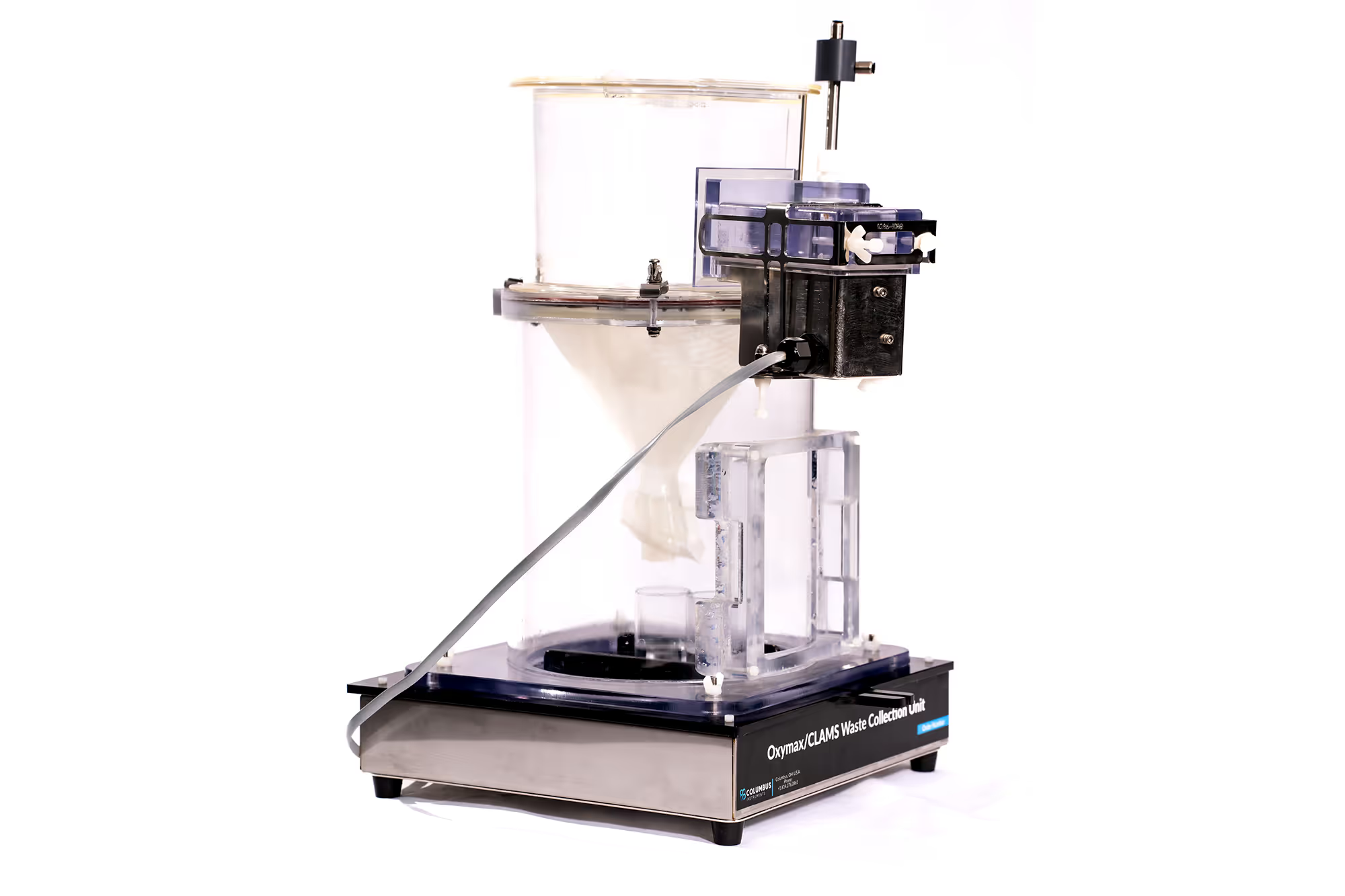
Physical Dimensions
The cage is designed to be restrictive enough for accurate waste collection while providing a comfortable, livable area for the subject.
- Mouse Cage Dimensions:
- Livable Area: 7 in (17.75 cm) diameter, 5.625 in (14.25 cm) ceiling height.
- Overall Size (with base/stand): 15" W x 11" D x 23" H (38 cm x 28 cm x 58.4 cm).
- Rat Cage Dimensions:
- Livable Area: 8 in (20.3 cm) diameter, 5.125 in (13 cm) ceiling height.
- Overall Size (with base/stand): 16" W x 11" D x 23" H (40.6 cm x 28 cm x 68.6 cm).
Waste Collection & Separation
The defining feature of the CLAMS-WasteCage is its mechanical separation and measurement hardware.
- Separation Funnel: A uniquely shaped funnel beneath a wire mesh floor uses gravity to guide waste. A separator at the bottom ensures urine and feces are directed into distinct collection vials.
- Load Cell Precision: The collection vials sit on high-precision load cells with an accuracy of +/- 0.005g and a resolution of 0.001g.
- Automated Scoring: The software records time-stamped voiding events in the data file whenever the weight in a vial increases.
- UroFlow Analysis: Data can be streamed at 10Hz to reconstruct the exact flow and volume of urine over time.
Feeding & Drinking Hardware
To prevent cross-contamination of waste samples (e.g., food crumbs falling into the urine funnel), the CLAMS-WasteCage uses specific delivery methods:
- Tunnel Feeder: The most restrictive feeder design. The animal must crawl through a narrow tunnel to access powdered food. This tunnel includes internal ribs that brush against the animal's fur, knocking off loose crumbs before it exits back into the waste collection area.
- Volumetric Drinking Monitor (VDM): Instead of a gravity-fed sipper, the WC often uses a patented VDM system. It utilizes a small dosing pump and a water-level detection circuit to deliver water only when the animal drinks, preventing leaks that would ruin urine data.
Metabolic & Behavioral Sensors
Despite its focus on waste, the CLAMS-WasteCage maintains full calorimetry and activity tracking capabilities:
- Indirect Calorimetry: Measures VO2 and VCO2 via Zirconia, Paramagnetic, or Electrochemical sensors.
- Activity Monitoring: Standard infrared beam arrays track movement along the X and Y axes.
- Sample Drying: Integrated sample drying (from 30°C to 4°C) prevents urine humidity from interfering with gas concentration readings.
Optional Upgrades
- Urine Freezing Option: A chilled or frozen plate can be added to the collection area to immediately preserve urine samples for sensitive biomarker analysis.
- Telemetry Integration: Compatible with G2 battery-less implants for monitoring core body temperature and heart rate.
Maintenance Information
Product Description
The Comprehensive Lab Animal Monitoring System (Oxymax-CLAMS) is the premier solution for advanced laboratory research. This state-of-the-art system integrates an array of unique features for open circuit calorimetry and detailed subject analysis, providing a one-stop solution for simultaneous multi-parameter assessment of multiple test subjects at once. Built on a semi-custom basis, Oxymax-CLAMS can be tailored to include parameters specific to your research needs. The system is fully expandable, allowing for additional chambers and features for the evolving demands of your research. The included software, CI-Link, offers an intuitive interface for collecting and managing all experimental data, which can be easily exported for analysis or publication. Researchers can view data graphically in real-time without interrupting the experiment.
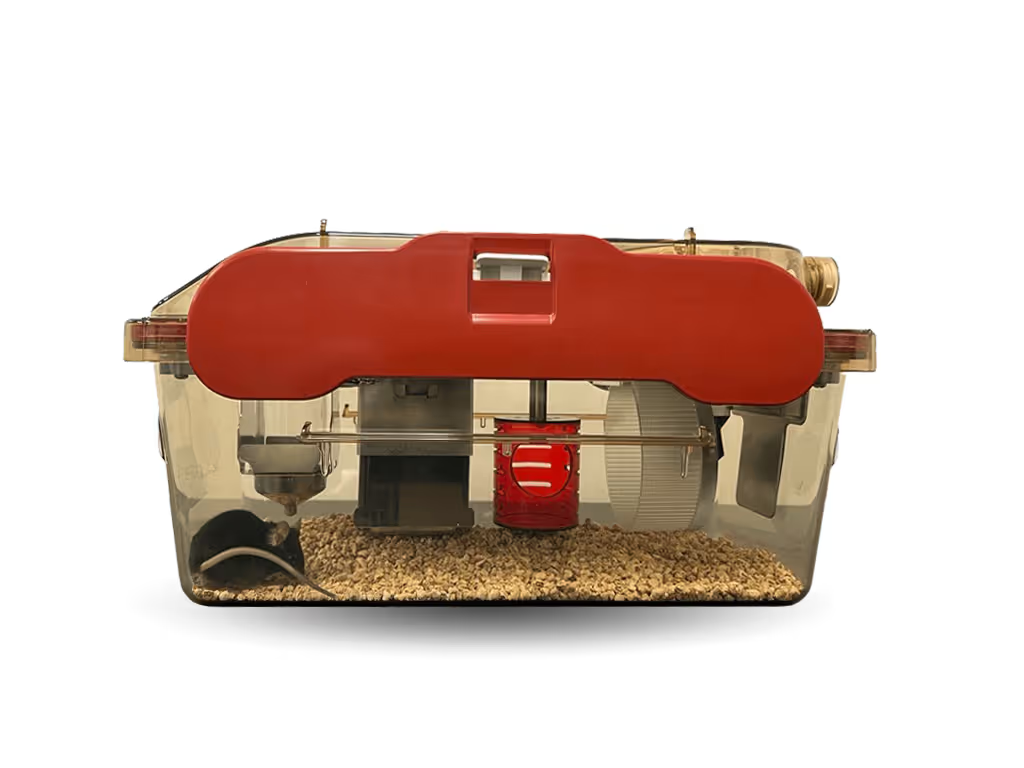
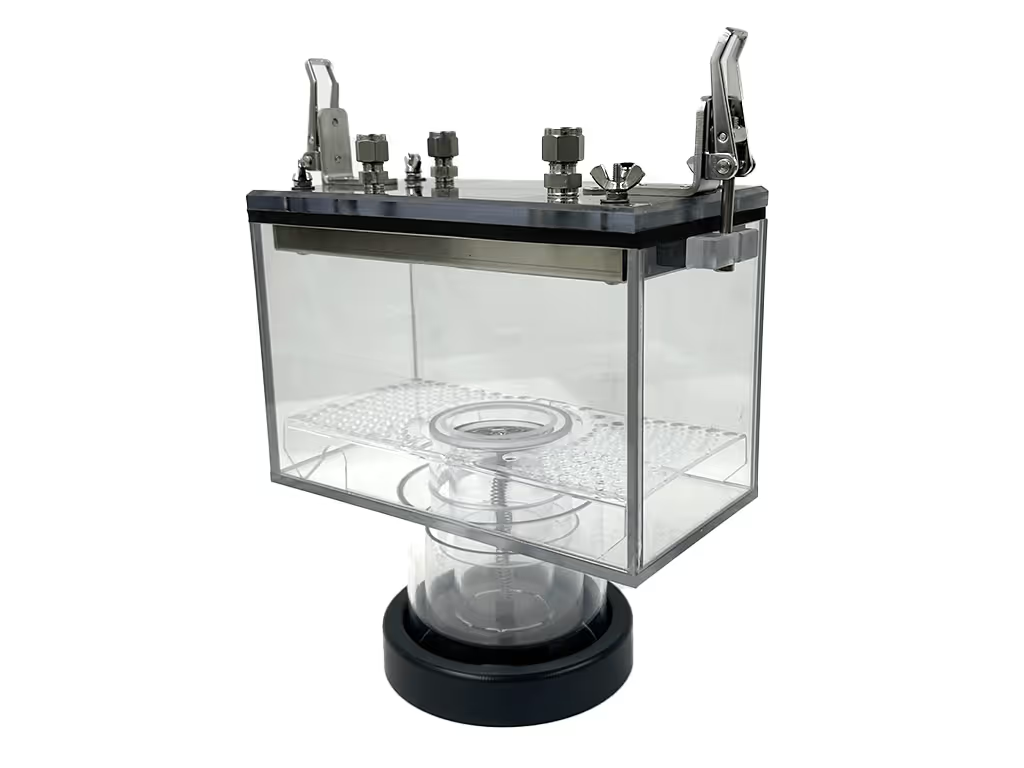
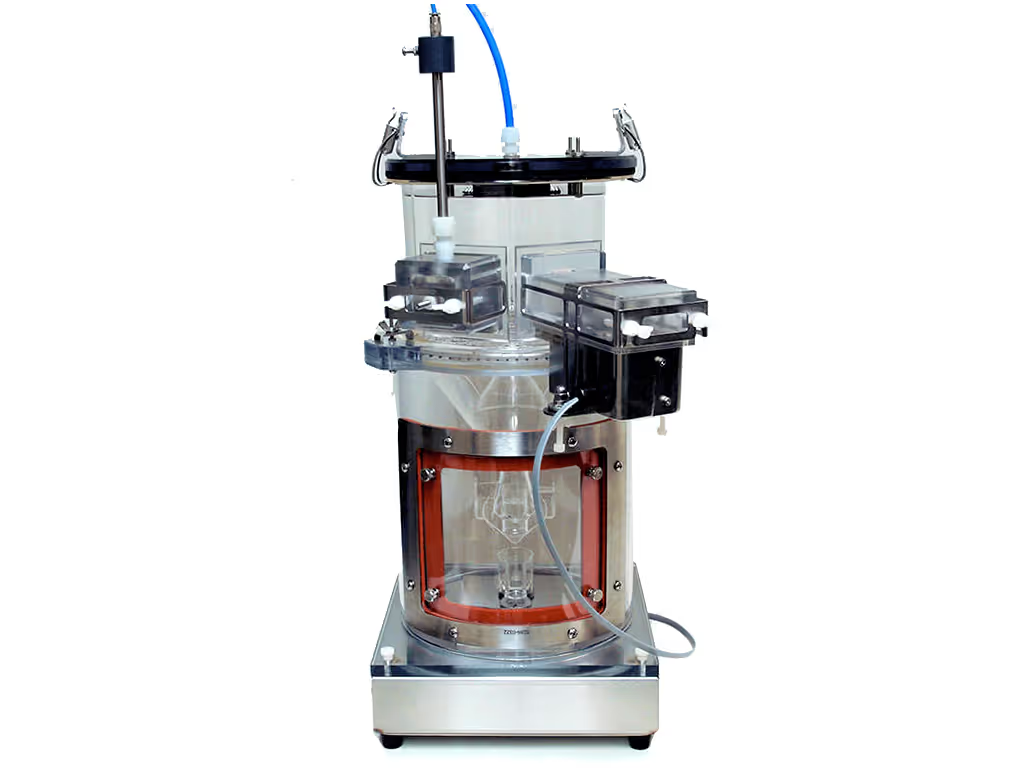
Cage Types
%20(2).png)
Add-ons
High-Precision C13 Isotopic Analysis
Address your substrate utilization tracking challenges with our advanced solution for simultaneous measurement of 13CO2, O2, and CO2. By integrating Picarro's stable isotope analyzer with our CI-Link software, we offer a seamless in-line measurement system with great accuracy. Our solution ensures exceptional performance with >0.1 0/00 precision and a 200 ppb range, providing reliable data for your metabolic research needs. Additionally, the Picarro combustion module add-on enables precise recovery of carbon isotopic compositions from harvested tissues.
.png)
.png)
Animal Welfare Monitoring: Adhering to Best Laboratory Principles
Introducing a new feature for the CLAMS-Connect environmental enclosure: in-cage cameras that deliver live feeds directly through CI-Link software. This enhancement allows for 24-hour welfare monitoring without needing to open the enclosure or rely on outdated methods like films or one-way glass. Stay tuned for upcoming push notifications for welfare alerts!
Accurate Heart Rate and Core Body Temperature Monitoring
Our telemetry system leverages advanced technology to provide precise biomarker data through a wireless, battery-less implant. Unlike traditional systems that require bulky batteries and frequent maintenance, our G2 Emitters—available for core body temperature and heart rate, or core temperature only—utilize wireless power transmitted via a custom antenna located less than 2mm beneath the cage floor. This design allows for extended use with a 2-year warranty, significantly reduces operational costs, and supports continuous high-density data collection without the limitations of battery life. While the system currently supports basic biomarkers, metabolic cages can be customized to integrate telemetry systems from other manufacturers for additional capabilities. Contact our sales team for more information.
%20(1).png)
.avif)
Advanced Liquid Consumption Measurement
For enhanced accuracy in lick detection, the Volumetric Drinking Monitor (VDM) provides microliter precision. Leveraging a patented conductivity principle for liquid delivery, the VDM performance is carefully calibrated to ensure optimal performance with a variety of liquids, including water, sucrose, and even specialized solutions like Ensure. This precise calibration guarantees reliable and consistent results across different research applications.
Advanced Methane Detection
Columbus Instruments has teamed up with Horiba, a leader in low-range methane detection, to provide integrated methane analysis in conjunction with oxygen and carbon dioxide measurements for the Oxymax system. This enhancement effectively addresses the challenges of researching methane and hydrogen-producing microbiota in the gastrointestinal tract of rodents.
.png)
Frequently Asked Questions - FAQs
CLAMS-Connect is the newer iteration of CLAMS-HomeCage, offering a more polished, easier-to-use solution for high-demand laboratories while remaining a “home-cage-based” system. In terms of price, the less expensive option depends on the features selected. The high level of integration with CLAMS-Connect allows us to offer it with all options for a lower price than a similarly equipped CLAMS-HomeCage system. The opposite is also true; the fewer the features selected, the better the price for CLAMS-HomeCage.
The rat or mouse metabolic system is highly scalable. A single controller can typically manage 1 to 32 animals. For large-scale studies, the lab animal monitoring system can be expanded to run multiple racks in parallel, making it an ideal metabolic phenotyping system for high-throughput genetic screening.
Yes. In the CLAMS-Connect, CLAMS-HomeCage, and CLAMS-CenterFeeder models, you can use standard contact bedding. This is a key feature of the mouse metabolic cage system, as it reduces animal stress and yields more accurate data than bare-bottom cages. However, the CLAMS-CenterFeeder cage and rodent metabolic cage system for waste collection CLAMS-WasteCage features a special cage floor that is not conducive to standard bedding.
The sampling speed depends on your sensor choice. If using the high-speed Zirconia oxygen sensor, the rodent indirect calorimetry data can be refreshed every 20 seconds per cage. This high-density data enables the cage-monitoring system to detect subtle metabolic spikes associated with specific behaviors.
Absolutely. Using infrared beam breaks across the X, Y, and Z axes, these metabolic and behavioral cages distinguish between:
- Ambulatory Activity: Exploring the cage.
- Fine Movement: Grooming or scratching.
- Rearing: Standing on hind legs (detected by the Z-axis).
Yes, our CLAMS metabolism and behavior lab equipment is supported by CI-Link software. This platform is IICCC-compliant and provides transparent and auditable data.
The metabolic cage system utilizes non-dispersive infrared (NDIR) sensors and automated fresh-air reference checks. The system periodically pulls ambient air to re-zero the sensors, ensuring that your rodent metabolic system remains accurate over experiments lasting days or weeks.
Researchers using mouse indirect calorimetry typically use the Abbreviated Weir Equation to convert gas exchange data into energy values. The formula most commonly used by the metabolic monitoring system software is: EE = [3.941 x VO2 + 1.106 x VCO2] x 1.44(Where VO2 and VCO2 are in mL/min, and the result is in kcal/day). If your study involves protein metabolism, you may need the full equation, which includes a correction for urinary nitrogen.
To ensure your home cage monitoring system data is valid and reflects natural behavior, follow this standard timeline:
- Vivarium Acclimation (7 days): Animals should stay in the facility to recover from transport stress.
- Cage Habitation (48–72 hours): Place animals in the metabolic phenotyping cage with the same bedding and food they will use during the test.
- Stable Recording: Data from the first 24 hours is often discarded as noise. Analyze the 48-hour window that follows (2 full light/dark cycles).
Choosing the right sensor for your metabolic system depends on your experimental goals:
- Zirconia (High Speed): The benchmark for fast scanning. Often used in 16–32 cage systems; dwells on a cage for 20 seconds, providing higher-density data. However, it is the highest-priced option.
- Paramagnetic (High Precision): Known for extreme stability and accuracy. It is rugged and long-lasting, but slower than Zirconia with a dwell time of 45 seconds. Ideal for smaller systems that cope well with being broken down, stored, and pulled back out and set up without any fuss. It’s also ideal for hypoxia studies as it has a user-adjustable range; normally, 19-21%, it can be moved to 9-11%, for example.
In rodent calorimetry system research, simply dividing energy expenditure by body weight (e.g., kcal/hr/kg) is now considered scientifically outdated.
The Problem: Ratios assume that metabolism and body weight have a perfectly linear relationship that passes through zero, which is biologically false.
The Solution: Use ANCOVA (Analysis of Covariance). This treats body weight (or lean mass) as a "covariate," allowing for a more accurate comparison between groups (e.g., lean vs. obese) without the "spurious" results caused by ratio-based scaling.
We designed the versatile Exer 3/6 and the advanced Metabolic Treadmill to enhance exercise physiology and metabolism research. The Exer 3/6 Treadmill offers adjustable speed, incline settings, unparalleled control, and flexibility for diverse experimental needs. The Metabolic Treadmill integrates real-time metabolic analysis, allowing for simultaneous measurement of oxygen consumption and carbon dioxide production during exercise. It is ideal for studies on energy expenditure and respiratory exchange. Together, these treadmills provide comprehensive solutions for researchers exploring metabolism and exercise performance with precision and efficiency.
Applications
ALS
Arthritis
Autism
Cachexia
Cardiovascular
Diabetes
Muscular Dystrophy
Neurosciences
Nutrition
Obesity
Osteoporosis
Parkinson's Disease
Regenerative Medicine
Rett Syndrome
Sarcopenia

Schizophrenia

Spinal Cord Injury
Treadmill Types
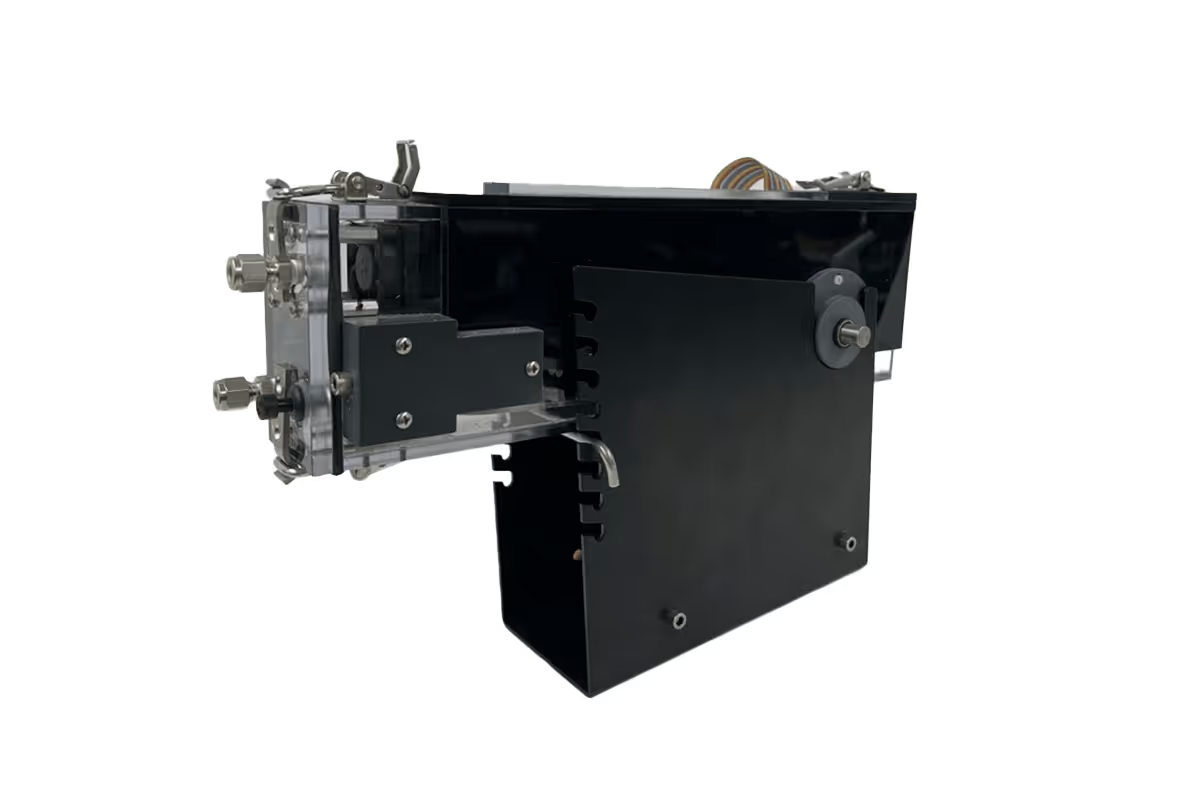
Exer 3/6
Versatile multi-lane treadmill for general exercise and comparison.
.png)
Inclination
- Automatic: -16° to 25° with 0.1° increments
- Manual: -15° to 25° with 5° increments
Belt Speed
- 1.5 m/min to 102.3 m/min
- Acceleration
- Adjustable 0.0 to 25.5 m/min²
Calibration
- Optional automatic belt speed and odometer distance calibration
Stimulus Options
- Electrical: Up to 2.34 mA, 200 ms pulse, 1-3 times/second
- Air-Puff: Up to 40 PSI, 200 ms pulse, 1-3 times/second
- Acceleration
- Adjustable 0.0 to 25.5 m/min²
Stimulus Repetition Rate
- 1, 2, or 3 Hz
Stimulus Voltage
- 117 VAC, 50/60 Hz
Stimulus Current
- Up to 2.34 mA
Dimensions
- 83.8 x 50.8 x 50.8 cm (33.0” x 20.0” x 20.0”)
Metabolic Only Lanes
- 1-4 individually enclosed per motor controller
- Enclosure Dimensions
ExerGait
Belt Speed Range
- 5.0 to 170.5 cm/s
Dimensions
- 69.3 x 26.7 x 63.5 cm (27.3” x 10.5” x 25.0”)
Light Box Dimensions
- 88.9 x 46.4 x 33.1 cm (35.0” x 18.2” x 13.0”)
Metabolic
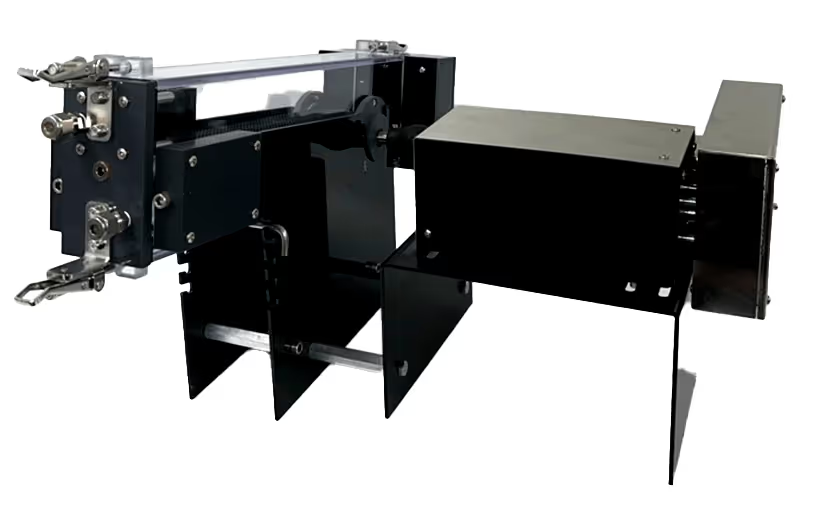
- Single lane isolated treadmill for paired exercise and metabolic studies.
- Designed with a clear belt and green backdrop for video observation.
.avif)
Toolless Removable Belt
- Sliding side panels and toolless thumb screws to provide quick access to the belt assembly
Inclination
- Automatic: -16° to 25° with 0.1° increments
- Manual: -15° to 25° with 5° increments
Belt Speed
- 1.5 m/min to 102.3 m/min
Acceleration
- Adjustable 0.0 to 25.5 m/min2
Calibration
- Included automatic belt speed and odometer distance calibration
Stimulus Options
- Electrical: Up to 2.34 mA, 200 ms pulse
- Air Puff: Up to 40 PSI, 200 ms pulse
Stimulus Repetition Rate
- 1,2, or 3 Hz
Stimulus Voltage
- 117 VAC, 50/60 Hz
Dimensions
- 83.8 x 50.8 x 50.8 cm (33.0” x 20.0” x 20.0”)
Capacity
- 3 rats or 6 mice per treadmill
Toolless Removable Belt
- Sliding side panels and toolless thumb screws to provide quick access to the belt assembly
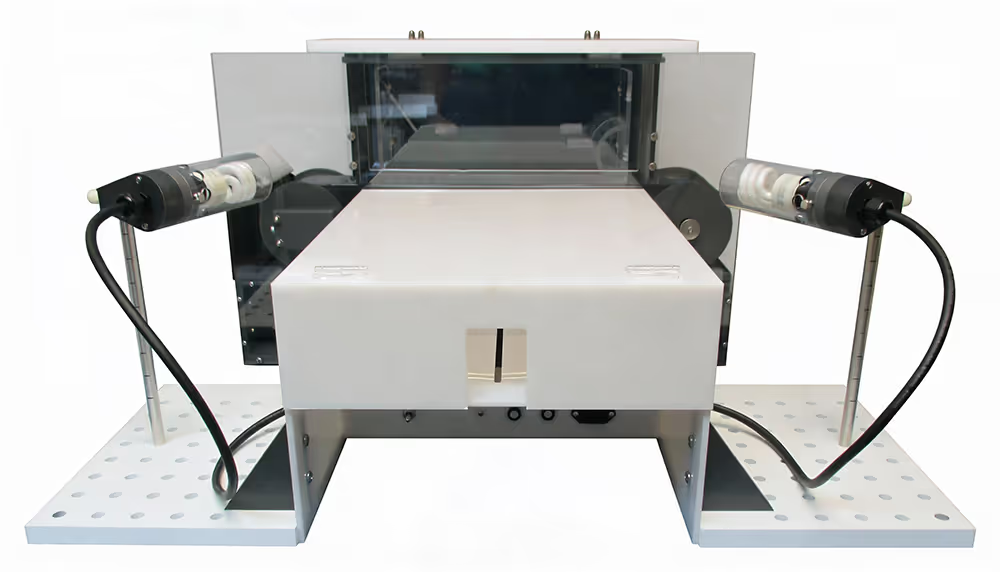
Inclination
- Automatic: -16° to 25° with 0.1° increments
- Manual: -15° to 25° with 5° increments
Belt Speed
- 5 cm/s to 187 cm/s
Acceleration
- Adjustable 0.0 to 25.5 m/min2
Belt Speed Range
- 5.0 to 187 cm/s
Dimensions
- 69.3 x 26.7 x 63.5 cm (35.0” x 18.2 “ x 13.0”)
Light Box Dimensions
- 88.9 x 46.4 x 33.1 cm (35.0” x 18.2” x 13.0”)
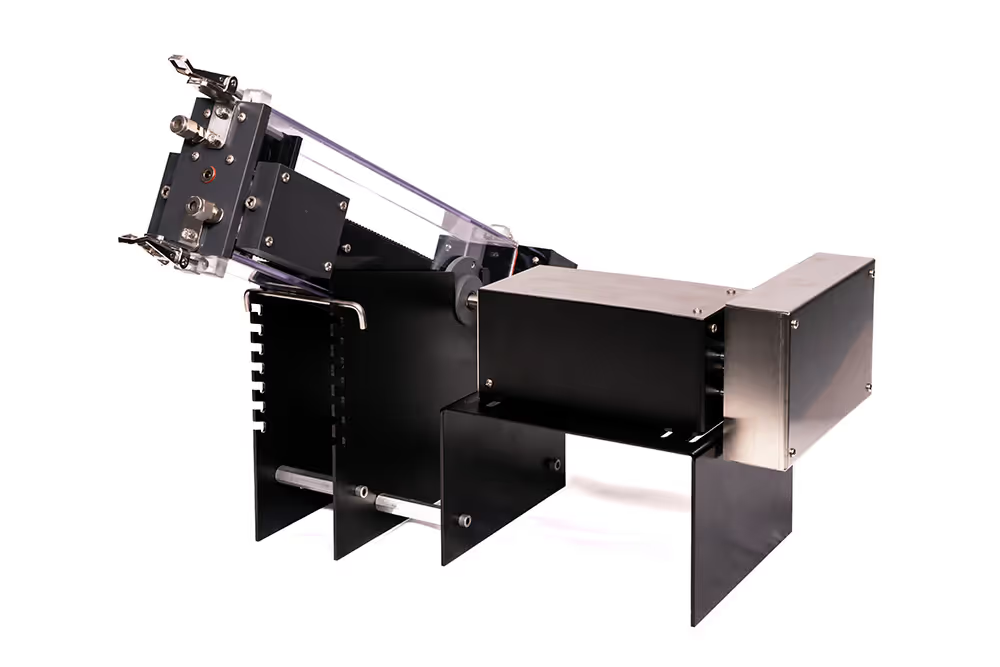
Inclination
- Automatic: -16° to 25° with 0.1° increments
- Manual: -15° to 25° with 5° increments
Belt Speed
- 1.5 m/min to 102.3 m/min
Acceleration
- Adjustable 0.0 to 25.5 m/min2
Calibration
- Automatic belt speed and odometer distance calibration
Stimulus Options
- Electrical: Up to 2.34 mA, 200 ms pulse
- Air Puff: Up to 40 PSI, 200 ms pulse (not for metabolic VO2 applications)
Stimulus Repetition Rate
- 1,2, or 3 Hz
Stimulus Voltage
- 117 VAC, 50/60 Hz
Lanes
- 1-4 individually enclosed per motor controller
Enclosure Dimensions
- Rats: 546 x 139 x 203 mm (21.5” x 5.5” x 8”)
- Mice: 384 x 51 x 102 mm (15.1” x 2” x 4”)
On updated models, such as the Exer 3/6, the running belt is designed for fast replacement—removal and installation takes under one minute and requires no tools, reducing equipment downtime between experiments.
- Automatic Tensioning: Most Columbus Instruments systems feature automatic tensioning, so you don't have to manually calibrate the belt's slack after installing a new one.
- Cleaning Compatibility: Replacement belts are made from non-corrosive materials (such as PVC or specialized polymers) that are resistant to repeated wash cycles and common laboratory disinfectants.
Frequently Asked Questions - FAQs
Yes. Our versatile Exer 3/6 treadmill features removable, adjustable lane dividers. This allows you to easily reconfigure the unit to accommodate either six mouse treadmill lanes or three rat treadmill lanes, providing maximum flexibility for your lab.
While a standard lab animal treadmill is used for general exercise and endurance, a rodent metabolic treadmill (such as our Oxymax-integrated modular system) features an air-tight enclosure. This allows precise measurement of VO2 and VCO2, enabling researchers to calculate the Respiratory Exchange Ratio (RER) and heat production during a mouse or rat metabolic treadmill session.
A typical mouse run test involves an acclimation period followed by a staged increase in belt speed. Our CI-Link software automates this process, starting at low speeds (e.g., 5–10 m/min) and accelerating per your protocol to determine aerobic capacity or time-to-exhaustion.
To ensure consistent forced-rat or forced-mouse exercise, our treadmills are equipped with a rear stimulus grid. This grid can be configured for either an electrical or an air-puff soft stimulus, encouraging the animal to maintain the belt's pace without the variability observed in voluntary wheel running.
Our high-precision motors operate at speeds ranging from 0 to 100 meters per minute. This allows for everything from a slow walk to high-intensity mouse treadmill sprints.
Absolutely. The rodent treadmill features manual or automatic inclination adjustments (typically 0° to +25°). For a treadmill for rats or mice requiring eccentric muscle loading, an optional downhill adapter is available to provide declination (down to -15° or -25° depending on the model).
Columbus Instruments uses high-quality, non-corrosive materials like Lexan, PVC, and stainless steel. The treadmill for mice and rats features a textured belt to facilitate animal grip and a removable tray for easy waste cleanup after a forced exercise session.
Our systems integrate directly with CI-Link software. Whether you are running a mouse metabolic treadmill or a larger rat study, the CI-Link software logs speed, distance, and gas exchange data in real time and exports them directly to CSV format for analysis.
Because their treadmills (such as the Exer 3/6 and the Metabolic Treadmill) use specialized textured or clear materials to ensure animal grip and visibility, it is standard practice for labs to purchase multiple belts for multispecies experiments and use. The Exer 3/6 features a toolless, removable treadmill belt for easy belt replacement.
Types of Replacement Belts Available
- Clear Optical Belts: For the ExerGait system, these crystal-clear, seamless loops allow cameras to track foot-pad placement beneath the treadmill for gait analysis.
- Secondary Drive Belts: In addition to the walking belt the animal runs on, internal drive belts connect the motor to the pulleys and are available if needed.
- Standard Textured Belts: Used for the Exer 3/6, these belts are designed to promote animal grip and withstand the rigorous cleaning required after forced rat or forced mouse exercise sessions. Best practice is for labs to purchase multiple belts and designate one set for mouse testing and another for rat testing.
Cleaning a Columbus Instruments treadmill (such as the Exer 3/6 or Modular systems) requires specific steps to ensure biological waste is removed. The Exer 3/6 features a toolless, removable treadmill belt for easy belt replacement.
- Remove Partitions: Take out the lane dividers/partitions first to gain full access to the belt.
- Sanitize: Spray a clean cloth with 70% Isopropyl Alcohol or a mild lab disinfectant and wipe the entire surface of the belt.
- Rinse and Dry: Wipe down with a damp cloth to remove any residue, then follow with a dry cloth or paper towel.
- The Waste Tray: Slide out the tray located beneath the belt. Empty it, sanitize it with alcohol, and replace it.
Deep Cleaning (Weekly or Post-Study)
For a thorough clean, or if the belt has lost its grip due to oil buildup.
- Power Off: Always unplug the treadmill from the wall outlet before deep cleaning.
- Scrub the Texture: Use a soft nylon brush (like a tire brush or a toothbrush) to gently scrub the belt’s textured surface. This removes particles trapped in the tread. Warning: Do not use a metal brush, as it will damage the belt's grip and could damage the stimulus grids.
- Manual Rotation: Turn the belt by hand to expose new sections. You will typically need to rotate and spray three to four times to cover the entire surface area.
- Air Dry: Allow the belt to air dry completely before plugging the machine back in. Moisture trapped near the motor or controller can cause electrical failure.
Cleaning the Stimulus Grids
- Avoid Direct Spray: Do not spray liquids directly onto the shock or air-puff grids.
- Wipe-Only: Dampen a cloth with alcohol and carefully wipe the grid bars. Ensure no lint or paper towel bits are left between the bars, as this can cause a short circuit or phantom stimulus.
For Metabolic Treadmills
- The Waste Tray: Slide out the tray located beneath the belt. Empty it, sanitize it with alcohol, and replace it.
- Removable End Caps: The Modular Metabolic Treadmill’s end caps are removable. This allows you to wash through debris along the entire length of the assembly more easily.
- Absorbent Pads: Many researchers use fitted, absorbent pads at the base of the treadmill during sessions. These can be swapped out between animals to make the final belt cleaning much faster.
Citations
Downloads


Request Additional Information
Contact us for ordering
Grip Strength Meter

